Homemade Pasta
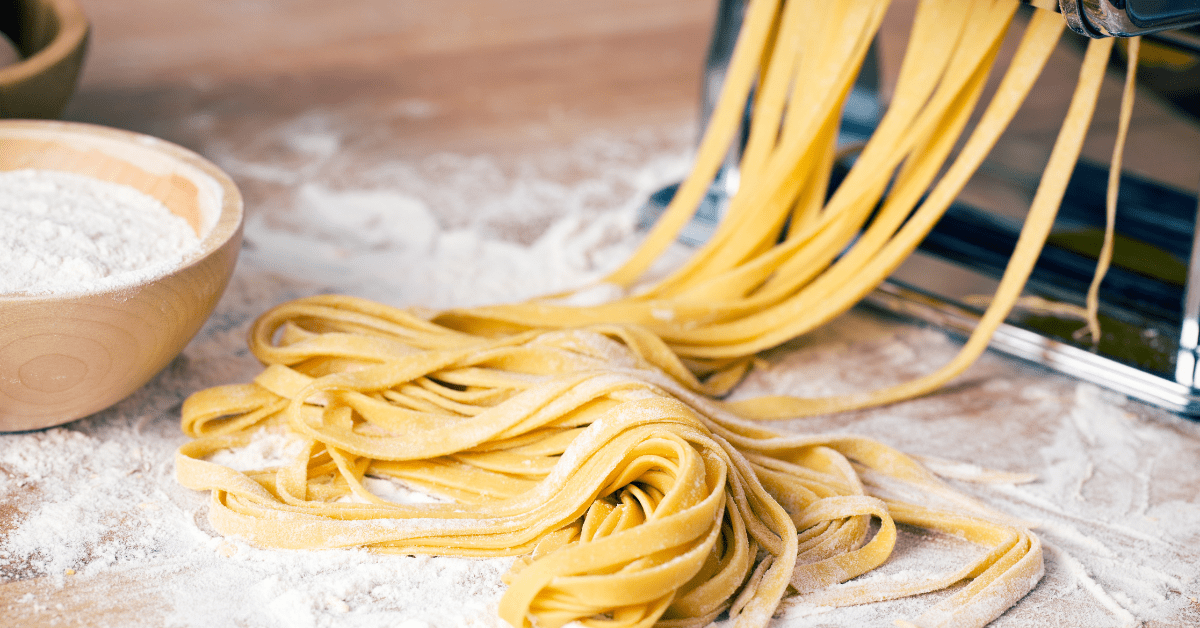
Homemade Pasta comes together with just a few simple ingredients—flour, eggs, olive oil, and water —creating tender, silky noodles that cook in minutes and elevate any meal. It’s an easy, satisfying kitchen project that feels special, tastes incredible, and turns any pasta night into something memorable.
Tools I use to make Homemade Pasta
- Kitchenaid Mixer
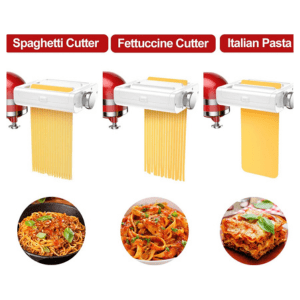
- Antree Pasta Maker Attachment
- Dough Scraper
- Adjustable Rolling Pin
- Baking Mat
- Measuring Cups
Steps to making Pasta
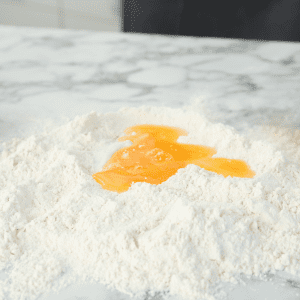
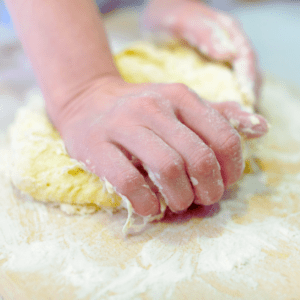
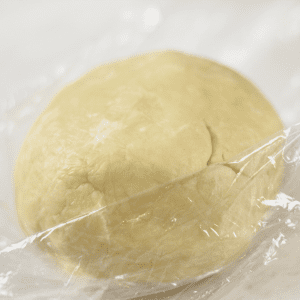
Starting with the flour, on a clean surface, mound the flour and make a shallow and wide well in the middle. Break the yolks with a fork, then start stirring and add the flour a bit at a time. Continue stirring until you have a sticky dough. Dust with flour as needed, then knead to form a ball. Knead the dough for about 5-10 minutes until smooth and somewhat firm. When you press a finger into the dough, it should bounce back. Form a ball and wrap it in plastic wrap. Set aside and let it rest for about 30 minutes.
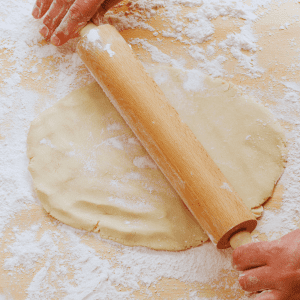
When the dough is ready, using the dough scraper, cut the dough into four pieces. Cover the three pieces you aren’t working with to keep them from drying out. Using the rolling pin, roll the dough into an oval three to four inches long, and no wider than your pasta maker. Set your pasta maker on the widest setting and drop the dough in to roll through. Fold the dough into thirds and roll it back through at the widest setting. Next, continue rolling the dough through, dropping the setting one notch each time until you reach the desired thickness.
Homemade Pasta
Ingredients
- 2¼ cups 00 pasta flour
- 3 large eggs
- 2 tbsp olive oil
- 2 tbsp water (as needed)
Instructions
- On a clean surface, mound the flour and make a wide, shallow well in the center.
- Break the eggs into the well and add 1 tbsp of the olive oil. With a fork, whisk the eggs and oil together. breaking the yolks and starting to incorporate the flour a little at a time from the inside wall of the well. Continue mixing until the dough comes together, rough and sticky. With your hand, start kneading the dough into a ball.
- Knead the dough until it is slightly firm and elastic. If it is too sticky, add a little bit of flour. If it is too dry, add a little bit of water.
- Shape the dough into a ball and wrap it in plastic wrap. Let it rest for about 30 minutes. You will know it is ready when you push in the dough and it bounces back quickly.
- Prep for the next steps while the dough is resting. Set up your pasta-rolling station (mixer with an attachment or a hand roller). Lightly flour two baking sheets to place the rolled pasta on.
- Cut the dough ball into four pieces, rewrapping the three you aren't working with at the moment. Lightly flour the outside of the dough and roll with a rolling pin or your hand to flatten into an oval about three to four inches long. Make sure it is not wider than your pasta maker.
- Place the oval in the pasta maker at the largest setting. Once it rolls through, fold the dough in thirds and roll again. Lower the setting to the next one down and roll again. Continue this process until the dough is rolled to the desired thickness. Be sure to lightly dust the dough with flour between each roll.
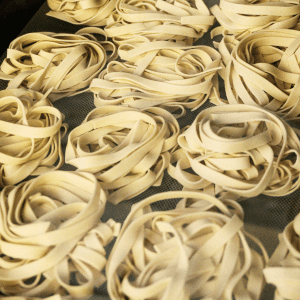
- Once you have the dough to the desired thickness, you can roll it through the pasta shape you need. As the noodles come out, nest them in small mounds on the baking sheets.
Notes
- Place the baking sheets with the pasta nests in the freezer and freeze until the pasta is still.
- Once frozen, place them in an airtight container for up to three months.