Beginners Guide to Spices
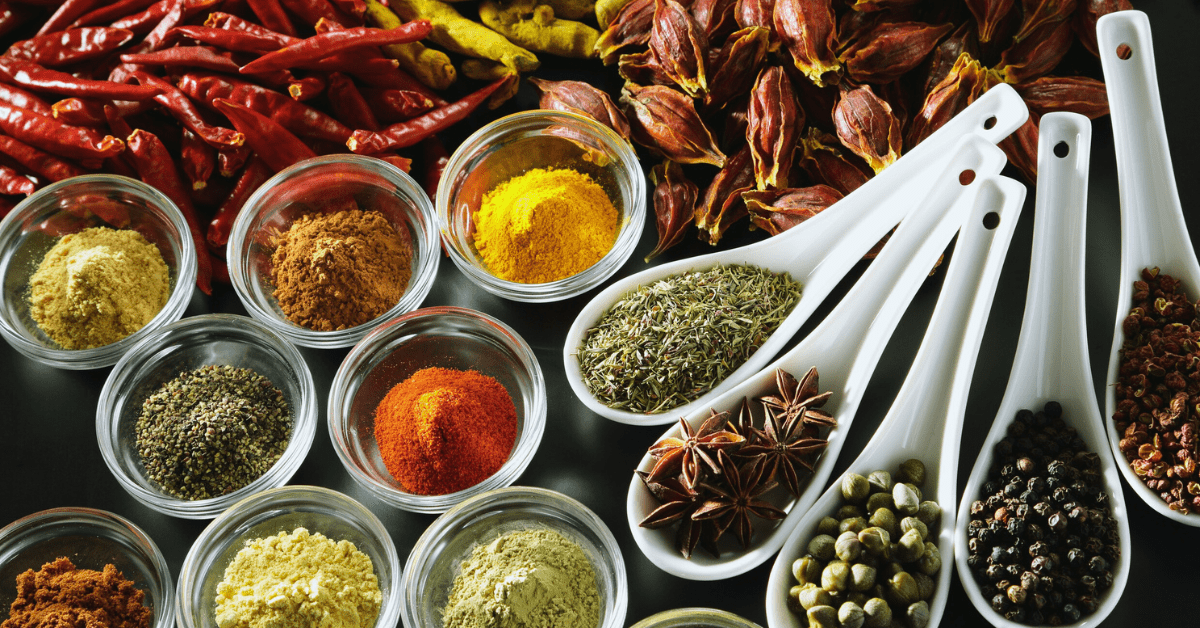
Spices are the quiet powerhouse of the kitchen – tiny, aromatic gems that can transform a simple dish. Whether you are building a cozy weeknight dinner or crafting a show stopping menu for guests, understanding the flavor profile of each spice helps you season with confidence and creativity. This Beginners Guide to Spices will outline the essential spices a kitchen should have, their flavor profiles, and the dishes they naturally elevate.
Spice Profiles & What They Bring to Your Cooking
Allspice
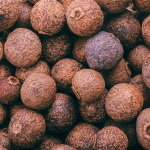
Flavor: warm, sweet, cozy
Best uses: jerk seasoning, stews, pies
Black Pepper
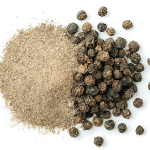
Flavor: sharp, earthy, pungent
Best uses: everything – meats, eggs, sauces
Cardamom
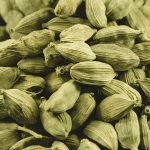
Flavors: floral, citrusy, warm
Best uses: chai, pastries, rice dishes
Cayenne
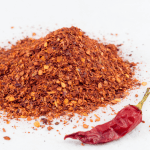
Flavors: hot, sharp, clean heat
Best uses: chili, cajun dishes, stir-fries
Cinnamon
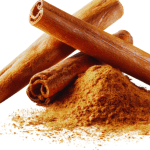
Flavors: sweet, warm, woody
Best uses: baking, oatmeal, chilis, tangines
Cloves
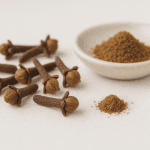
Flavors: intense, warm, aromatic
Best uses: baking, mulled drinks, biryani
Coriander
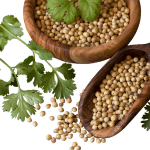
Flavors: citrusy, floral, bright
Best uses: curries, marinades, veggies
Cumin
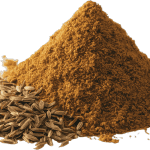
Flavors: warm, earthy, nutty
Best uses: chilis, tacos, curries, roasted veggies
Ginger
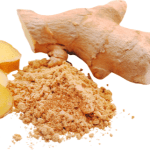
Flavors: warm, spicy, sweet
Best uses: stir-fries, glazes, cookies
Nutmeg
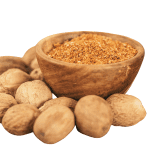
Flavor: warm, nutty sweet
Best uses: cream sauces, potatoes, baking
Paprika
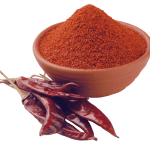
Flavors: sweet or smoky, mild heat
Best uses: rubs, potatoes, stews, eggs
Tumeric
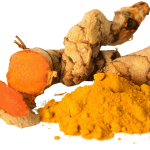
Flavors: earthy, peppery, slightly bitter
Best uses: curries, rice, soups
Spices are your kitchen’s personality boosters – the little details that make your dishes memorable. Once you understand their flavor profiles, you can mix, match, and layer them to create meals that feel warm, vibrant, and beautifully seasoned.